Estate clearance tips for Harlesden Road residents in Willesden
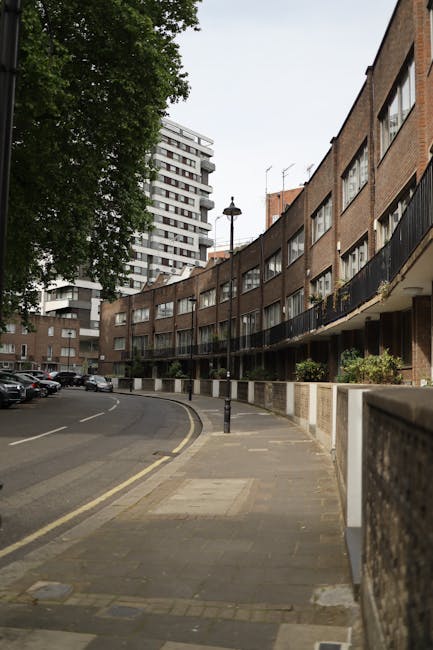
If you live on Harlesden Road in Willesden and an estate clearance is looming, you probably already know the feeling: one room looks manageable, then the wardrobe, loft, shed, and that awkward corner by the hallway all start to tell a different story. Estate clearance is rarely just about removing items. It is about sorting memories, making sensible decisions quickly, and keeping the whole job calm enough that it does not swallow your week. These estate clearance tips for Harlesden Road residents in Willesden are designed to help you do exactly that.
Whether you are clearing a family home after a bereavement, preparing a property for sale or letting, or simply dealing with a long-overdue reset, the key is to work methodically. A good clearance saves time, reduces stress, and helps you avoid costly mistakes. It also gives you space to make better decisions, which matters more than people often realise. Let's face it, the clutter is rarely just clutter.
In this guide, you will find practical steps, common pitfalls, local considerations, and a straightforward way to approach the job without feeling rushed. There is no fluff here. Just a clear, human approach to estate clearance in a busy part of London.
Why Estate clearance tips for Harlesden Road residents in Willesden Matters
Estate clearance matters because it affects more than the look of a property. It can shape how quickly a home becomes usable again, how safely people can move around inside it, and how smoothly the next stage of life happens. On Harlesden Road, where homes can vary from compact flats to larger family properties, space is often limited, access can be awkward, and parking can be a bit of a puzzle. That combination makes planning especially important.
There is also the emotional side. Estate clearance often comes at a moment when people are already stretched. You may be dealing with relatives, solicitors, landlords, estate agents, or simply the weight of a household that has been lived in for years. A structured approach keeps the task from becoming overwhelming. It is not glamorous work, but it is meaningful work.
Done well, clearance also prevents avoidable waste. Some items can be reused, some can be recycled, and some need specialist handling. A rushed clear-out can easily turn into unnecessary disposal costs or, worse, improper dumping. Nobody wants that headache later.
If you are planning a broader property tidy-up at the same time, you might also find the site's house clearance and home clearance pages useful for understanding the sort of help available across different property types.
Expert summary: Good estate clearance is part organisation, part judgement, and part patience. The best results usually come from slowing down just enough to sort carefully, then moving decisively when the keep, donate, recycle, and remove piles are clear.
How Estate clearance tips for Harlesden Road residents in Willesden Works
At its simplest, estate clearance is the process of emptying a property in a controlled way. In practice, it involves identifying what stays, what goes, what needs protection, and what may need special handling. If the property is large, cluttered, or full of mixed contents, the job is usually broken into stages rather than tackled all at once.
The usual pattern is straightforward. First comes an assessment of the property and the volume of items. Then comes sorting: personal belongings, furniture, electricals, paperwork, reusable goods, and waste all get separated. After that, removal happens in a planned sequence, often with bulky items taken out first so access improves as the work progresses. Finally, the property is swept through and checked, because there is always one drawer that hides something important. Always.
For residents on Harlesden Road, the practical side often matters as much as the clear-out itself. Stairs, shared entrances, narrow hallways, and limited parking can all influence how a clearance is carried out. That is why many people prefer a service that can handle lifting, loading, and disposal in one go. If you want to compare clearance options for different situations, the furniture clearance and flat clearance pages can help clarify what kind of job is best suited to each scenario.
A proper clearance process should also account for items that cannot simply be mixed together. Fridges, mattresses, sofas, documents, and anything hazardous may need separate treatment. That is one of the biggest differences between an organised clearance and a chaotic one.
Key Benefits and Practical Advantages
There are several clear advantages to approaching an estate clearance properly rather than improvising on the day. The first is speed, but not speed for its own sake. The real benefit is efficiency. When the right steps are followed, the whole process feels less like a scramble and more like a sequence of manageable decisions.
- Less stress: You are not trying to sort everything in one frantic session.
- Better decisions: You can identify valuables, sentimental items, and documents before anything is removed.
- Safer moving: Fewer trip hazards and less lifting in cramped spaces.
- Cleaner handover: The property can be prepared for sale, rental, or renovation more quickly.
- Improved recycling opportunities: Reusable and recyclable items are easier to separate when you plan ahead.
There is also a financial angle. A well-organised clearance can reduce unnecessary waste, avoid repeat visits, and help you choose the right method for the amount of material involved. That does not mean it is always cheap. It rarely is. But it does mean the money spent tends to go further.
For heavy or awkward items, using the right dedicated service can make a big difference. If the estate includes old beds, worn seating, or damaged soft furnishings, the mattress and sofa disposal and fridge and appliance removal pages may be worth a look if those are among the bigger items in the property.
Who This Is For and When It Makes Sense
Estate clearance is not just for one type of person. It is relevant to family members managing a property after a loss, landlords preparing a rental between occupiers, executors handling a probate property, or homeowners dealing with a long-delayed sort-out. Truth be told, it can also suit people who have simply reached the point where the house is too full to function properly.
It makes sense when:
- the property has been occupied for a long time and contains a mix of old furniture, paperwork, and personal items;
- you need to prepare a property for valuation, sale, or reletting;
- you are short on time and cannot manage repeated trips to dispose of items yourself;
- the house or flat contains bulky furniture, appliances, loft contents, or garage clutter;
- there are items that require careful sorting before anything leaves the property.
For example, a family handling a late relative's home may need to separate photographs, personal documents, jewellery, and keepsakes from items that can be removed. That sort of work cannot be rushed if you want to avoid regret later. A few extra hours spent sorting can save a lot of second-guessing.
If the property also includes storage spaces that have quietly become catch-alls over the years, the loft clearance and garage clearance pages are useful references for understanding how those areas are usually handled.
Step-by-Step Guidance
Here is a practical way to tackle an estate clearance without losing momentum. It is simple, but simple works.
- Walk through the property first. Make notes on bulky furniture, fragile items, loft or basement access, and anything that may need special care. Do not start lifting before you know what you are dealing with.
- Create three or four clear categories. A common setup is keep, donate/reuse, recycle, and remove. If you need a fifth category for documents or valuables, use it. No need to be rigid if the property tells a different story.
- Check for personal papers and sentimental items. Open drawers, bedside cabinets, boxes, and envelopes. Important paperwork has a habit of hiding in the oddest places.
- Separate hazardous or specialist waste. Paint, chemicals, old cleaning products, and damaged electronics should not just be piled in with general waste.
- Deal with bulky items early. Large furniture can block routes and slow the rest of the job. Once it is out, everything else tends to flow a bit better.
- Take photos if needed. This can help with family agreement, inventory, or peace of mind. It also stops the inevitable "was that lamp actually meant to stay?" argument later.
- Book the right clearance support. If the job is substantial, professional help can reduce the strain and improve the speed of the work.
- Do a final sweep. Check cupboards, loft corners, under beds, behind doors, and along skirting boards. Yes, even there.
If you prefer a simpler route for the full property, a broader house clearance or waste removal approach may be a better fit than trying to piece together lots of smaller jobs.
Expert Tips for Better Results
In our experience, the best estate clearances are the ones where people resist the urge to rush the first hour. That first hour matters. If you begin by sorting instead of dragging everything to the kerb in a panic, the rest of the job becomes much easier.
Tip 1: Start with the easiest wins. Clear obvious waste, broken items, and empty packaging first. It creates space, and space has a way of calming everything down.
Tip 2: Keep one box for essentials. Put keys, documents, chargers, medication, bank cards, and anything immediately useful in one obvious place. You do not want these disappearing under a pile of cushions. That happens more than people like to admit.
Tip 3: Separate emotion from logistics. It sounds obvious, but emotional decisions can slow the whole process. Ask, "Do we need this, want this, or only feel guilty about it?" It is a very useful question.
Tip 4: Think about access before moving heavy items. Measure doorways and stair turns if needed. A sofa that looks simple in the lounge can turn into a small architectural problem on the stairs.
Tip 5: Protect floors and common areas. If the property is in a shared building, avoid scratching hallways or leaving debris behind. That small bit of care keeps neighbours happier and reduces hassle later.
Tip 6: Use specialist help for awkward items. Fridges, mattresses, old sofas, and certain electricals can be inconvenient to move and dispose of correctly. Dedicated services exist for a reason, and it is usually worth using them. For those items, see the relevant pages for mattress and sofa disposal and appliance removal.
Tip 7: Leave room for second thoughts. If a family member needs to confirm an item before it goes, set it aside. Better slightly slower now than regretting it for months. Been there, unfortunately.
Common Mistakes to Avoid
Most clearance problems are not dramatic. They are the accumulation of small errors. The good news is that most of them are easy to avoid once you know what to watch for.
- Starting without a plan: Random sorting leads to random piles, and random piles slow everything down.
- Mixing everything together: Reusable items, documents, and waste should not all be bundled in one go.
- Forgetting hazardous items: Old tins, chemicals, and broken electricals need care.
- Underestimating access issues: Shared stairwells, narrow corridors, and parking restrictions can shape the whole job.
- Ignoring sentimental or legal items: Photos, wills, identity documents, and financial paperwork should be checked carefully.
- Trying to do too much in one day: Fatigue leads to mistakes, and mistakes lead to more work later.
One common one is not asking what should happen to items that still have value. A decent estate clearance should leave room for reuse or resale if that is appropriate. Another is treating all waste the same. It is not. A mattress is not a newspaper pile, and a fridge is not a broken chair. Obvious, yes, but easy to overlook when you are surrounded by boxes.
Tools, Resources and Recommendations
You do not need specialist equipment for every clearance, but a few basic tools make life much easier. Heavy-duty gloves, sturdy bags, marker pens, sticky labels, tape, a torch, and cleaning cloths are a sensible starting set. If the property is dusty or has been closed up for a while, a face covering can also be useful when sweeping through lofts or cupboards.
Recommended approach:
- use labels on boxes rather than relying on memory;
- keep a notepad or checklist for items to retain;
- take photos of rooms before and after sorting;
- have a bin liner or box ready for urgent paperwork;
- set aside one area for items that need a family decision.
For more specialised jobs, it helps to choose services that can deal with the different parts of an estate without forcing you to manage each item separately. If you have a garage, a loft, or large quantities of mixed contents, the site's garage clearance, loft clearance, and furniture clearance pages are practical places to compare service scope.
If sustainability matters to you, and for many Harlesden Road residents it does, the recycling and sustainability page is also worth a look. It helps set expectations around reuse and responsible disposal.
Law, Compliance, Standards and Best Practice
Estate clearance in the UK should always be handled with care around duty of care, privacy, and safe disposal. You do not need to be a legal expert to do the right thing, but you do need to be sensible. If a property contains confidential paperwork or identity-related documents, those should be sorted securely. If you are not sure what to do with sensitive papers, a confidential shredding option is often the cleaner choice.
Another key point is waste handling. Not everything can go into general waste or be left outside for collection. Certain items require separate treatment, especially appliances, electronics, and anything potentially hazardous. That is one reason it is wise to use services that are transparent about handling mixed waste responsibly.
It is also sensible to work with providers who take health and safety seriously. Lifting heavy furniture, moving items down stairs, and handling awkward loads can all present risks. If a company publishes clear expectations around safety, insurance, and staff conduct, that is a good sign. On this site, the health and safety policy and insurance and safety pages can help you understand those standards better.
Best practice, in plain English, means this: sort carefully, dispose responsibly, protect personal information, and do not cut corners with awkward waste. The rules are not there to be fussy. They are there because waste, lifting, and privacy all matter more than people realise at first glance.
Options, Methods and Comparison Table
There is no single correct way to handle an estate clearance. The right method depends on time, volume, access, and the emotional energy available. Some people prefer to sort and remove everything themselves. Others need a full-service solution. Most end up somewhere in between.
| Method | Best for | Advantages | Trade-offs |
|---|---|---|---|
| DIY clear-out | Small properties or light loads | Full control, flexible timing | Time-consuming, physically tiring, multiple trips |
| Partial self-sort with removal support | Families who want to keep sensitive items | Good balance of control and convenience | Requires more coordination |
| Full estate clearance service | Large homes, urgent handovers, bulky contents | Fast, efficient, less lifting and stress | Less hands-on control over removal timing |
If the property includes a lot of mixed household goods, a broader home clearance may be more practical than trying to break the job into many smaller removals. If the focus is mainly furniture, the furniture disposal page is a useful point of reference too.
Case Study or Real-World Example
Here is a realistic example. A family on Harlesden Road is clearing a long-occupied two-bedroom flat after a relative moves into care. The flat has a mix of old wardrobes, books, paperwork, kitchen equipment, and a couple of heavier items in the bedroom and hallway. The family first sets aside documents, photographs, and a small box of keepsakes. Then they label items to keep or pass on. After that, they separate the broken and unusable items from the reusable pieces.
The first surprise is not the amount of stuff. It is the number of small decisions. A lamp. A stack of folders. A chair that no one remembers buying. That is where a calm process helps. Once the bulky furniture is out, the property suddenly feels manageable. The hallway clears. The light comes back in. You can almost hear the place breathe again, which sounds odd, but you know what I mean.
They also realise that one old appliance and a mattress need specific removal, rather than being treated as general rubbish. By handling those separately, they avoid the classic "we'll sort it later" trap. The result is a cleaner handover, less stress, and a much better use of time.
That kind of outcome is common when people slow down at the start and make sensible categories before the removal begins.
Practical Checklist
Use this checklist before and during your clearance. It keeps the job grounded.
- Identify who has final say on keep, donate, and remove items.
- Walk through every room, including loft, shed, cellar, and storage cupboards.
- Set aside documents, jewellery, keys, and sentimental items first.
- Separate furniture, appliances, textiles, and mixed waste.
- Check access routes, stairs, and parking conditions.
- Flag any hazardous or specialist items early.
- Take photos of rooms and important belongings if needed.
- Keep one box for essentials and immediate paperwork.
- Confirm what will be reused, recycled, or responsibly disposed of.
- Do a final sweep before the property is considered finished.
If your clearance also includes unexpected extras, such as leftover renovation waste or debris from repairs, the builders waste clearance page may be relevant. For office-related contents or paperwork-heavy rooms, office clearance can also be useful.
Get a free quote today and see how much you can save.
Conclusion
Estate clearance is rarely just a practical job. For Harlesden Road residents in Willesden, it often sits at the intersection of family decisions, tight spaces, and a fair bit of emotional weight. The good news is that with a clear plan, sensible sorting, and attention to detail, the process becomes far more manageable than it first looks.
Keep the focus on safety, respect, and structure. Protect personal items, separate specialist waste, and choose the right level of support for the size of the job. That way, you are not only clearing a property. You are making the next step easier for everyone involved. And honestly, that counts for a lot.
When the last room is empty and the dust has settled, there is a strange relief to it. Not dramatic. Just quiet, steady relief. That is usually the sign it was done properly.
Frequently Asked Questions
What should I sort out first during an estate clearance?
Start with personal documents, keys, valuables, and sentimental items. After that, move to obvious rubbish, then furniture and larger contents. The first pass should be about preventing mistakes, not speed.
How do I know whether I need a full estate clearance or just a furniture removal?
If the property contains a mix of furniture, loose items, paperwork, appliances, and general clutter, a fuller clearance is usually better. If it is mainly bulky items, a furniture-focused service may be enough.
What happens to items that can still be used?
Reusable items are often separated for donation, reuse, or resale where appropriate. It depends on the condition of the items and the preferences of the person managing the clearance.
Can estate clearance include lofts and garages?
Yes, and it often does. In fact, lofts and garages are some of the most common places for hidden clutter, old boxes, and mixed storage that needs sorting carefully.
How long does an estate clearance usually take?
It depends on property size, access, and the amount of sorting needed. A small flat can be much quicker than a large, heavily stored house. The emotional side can also slow things down, which is completely normal.
What should I do with old mattresses and sofas?
These should be handled separately from general waste. They are bulky and often need dedicated disposal rather than being mixed in with household rubbish.
Are there items that should never be thrown in with general waste?
Yes. Hazardous materials, certain electrical items, and confidential paperwork should be separated and dealt with properly. If in doubt, err on the side of caution.
Is it worth sorting documents during an estate clearance?
Definitely. Important papers can be mixed in with ordinary household clutter, and once they are gone, they are gone. It is better to check drawers and folders carefully than to assume everything is junk.
What if the property has difficult access or no easy parking?
That is common in parts of London, including around Harlesden Road. Access issues should be considered before the job starts, because they affect timing, lifting, and how the clearance is planned.
How do I avoid throwing away something important by mistake?
Create a keep box, photograph uncertain items, and ask a second person to review anything that feels sensitive. A slow first sort is usually safer than a fast one.
Can estate clearance be done alongside a property tidy-up or renovation waste removal?
Yes, provided the waste is separated properly. Mixed household contents and renovation debris are not the same thing, so it helps to plan the removal carefully.
Where can I learn more about responsible disposal and related services?
Useful starting points include the site's pages on recycling and sustainability, hazardous waste disposal, and confidential shredding, depending on what the estate contains.