Commercial Waste Removal in Willesden
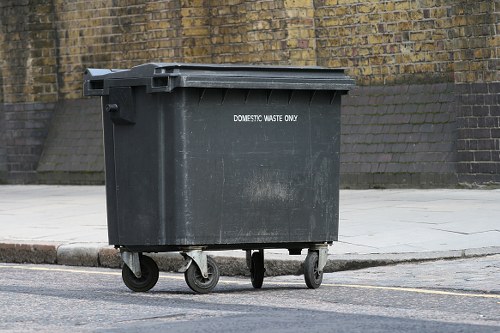
Commercial waste removal in Willesden needs to be practical, tidy and matched to the type of material a business produces. We handle regular and one-off collections for offices, shops, landlords, trades and other premises, with a focus on keeping waste streams organised and moving them on responsibly. Whether the task is clearing day-to-day refuse or taking away bulkier items after a refit, the aim is straightforward: remove unwanted material efficiently and leave the site ready for normal use again.
Our service covers a wide range of non-hazardous commercial waste, including mixed office waste, furniture, fixtures, packaging, redundant stock and general clear-out material. Where needed, we can separate items for recycling and direct recoverable materials away from disposal. That makes it easier to manage business waste without turning every collection into a major project. If you need a clear plan for a single clearance or an ongoing pattern of removals, start with a simple request for a quotation.
We keep the process direct from the first enquiry through to collection day. You can use the links below to explore related services, disposal categories and practical information, or simply read on to see how our commercial waste support is usually arranged. If you already know what needs removing, a short description of the items and access is often enough to begin. Tell us what needs shifting and we can help you work out the next step.
Office and workplace clearances
Office waste often includes more than paper and packaging. Desks, chairs, storage units, filing cabinets and mixed fit-out material can build up after moves, refurbishments or reconfigurations. Our office clearance work is designed to remove those items in a way that suits occupied buildings as well as empty floors, so the job can be completed with minimal disruption to the rest of the premises. Where useful, we can also separate reusable pieces from general waste to support a cleaner exit from the space.
If your workplace clearance involves a mix of furniture and lighter waste, it helps to group the items by room or floor before collection. That is not a requirement, but it can make the work easier to price and schedule. For businesses comparing different disposal routes, office clearance is a practical starting point because it covers the kind of material that appears most often in commercial interiors. A clear list of what stays and what goes usually saves time later on.
What can be included in a workplace clearance
Many commercial clearances include a combination of furniture, paperwork, packaging and redundant equipment. Where appropriate, we can also remove office kitchen items, reception fittings and small quantities of mixed junk left behind after a tenancy change. When a site contains items that need special handling, those should be identified early so the work can be planned properly. For larger clear-outs, it is sensible to note access points, lift use and any loading restrictions before the collection takes place.
Business waste and regular collections

Some premises need occasional removals, while others produce waste often enough to benefit from a more regular approach. Our business waste removal service is aimed at companies that want a dependable way to move mixed waste off site without clutter building up between visits. This can suit retail units, shared workspaces, hospitality premises and small industrial operations where waste needs to be removed efficiently and kept under control.
Because commercial waste varies so much, the best arrangement depends on the kind of material produced. Cardboard, broken fittings, packaging, shelving components and redundant stock all create different disposal needs. We look at the volume, the access and the type of load so the collection plan fits the work rather than forcing the work into a fixed pattern. For more detail on this area of work, see business waste removal.
When planning a quotation, it is useful to note whether the waste is already bagged, boxed or loose, and whether any heavy items need two-person handling. If the premises have limited access or shared loading space, that should be mentioned at the start. A simple description often gives enough context to scope the job properly. Clear information about the load is usually the quickest route to a fair quote.
Furniture, fixtures and bulky items
Commercial premises often need bulky items removed alongside general waste. Desks, cabinets, shelving, counters and soft seating can take up valuable space once they are no longer needed, especially after a move or refurbishment. We deal with furniture disposal as part of wider commercial clearances or as a dedicated collection where the main job is to take away large items that are awkward to move or unsuitable for ordinary waste routes.
For businesses replacing old fittings, the service can be tailored to the items being taken away. Some loads are mostly office furniture, while others contain a mixture of reception pieces, storage and dismantled components. If you need a dedicated destination for that type of waste, furniture disposal is the most direct page to use. It is also worth noting whether items need dismantling, because that may affect how the collection is organised.
Where furniture is still in usable condition, reuse can sometimes be considered before disposal. Not every item will be suitable, but it is sensible to separate clearly reusable pieces from damaged or contaminated material. That kind of sorting can make the disposal line cleaner and easier to manage. A short note about quantity, floor level and any restricted access is often enough to move the conversation forward.
Clearance support for properties and mixed premises

Commercial waste removal is not limited to one type of building. We also handle clearances for properties that contain a combination of domestic-style and business waste, such as mixed-use premises, rental changes and end-of-occupation situations. In these cases, the collection may include furniture, bagged waste, loose rubbish and items left behind by previous occupants. The goal is to remove everything agreed in a single, organised clearance rather than piecing the work together in stages.
Related clearances can include house contents, flat clear-outs, loft or garage spaces and other holdings where commercial and general waste overlap. Where the job is mainly about domestic-style contents, the relevant pages can help you choose the best match, including house clearance and flat clearance. If the space contains a broader collection of unwanted possessions rather than one specific category, those routes can be easier to fit than a narrower disposal option.
For mixed premises, it helps to identify which rooms or storage areas are included and which ones remain in use. That keeps the collection focused and avoids any confusion on the day. If there are items that should not be touched, list those separately. Accuracy at the start makes the clearance smoother, particularly where several occupants, tenants or departments are involved.
Warehouse, garage and storage clear-outs
Some of the most awkward waste collections involve storage areas rather than open offices. Garages, lock-ups, cupboards and back rooms can fill up with obsolete stock, packaging, broken fittings and general clutter. Our garage clearance and similar removal work is useful when a space has become difficult to use because old items have accumulated over time. Clearing these areas can free access, improve safety and make future storage easier to manage.
For businesses comparing storage-area options, garage clearance is relevant where the main problem is accumulated goods rather than general office waste. It can also be useful for archived material, spare equipment and unwanted items that have been moved out of sight but still need to be removed properly. When the waste includes mixed items, the strongest approach is to identify what is in the space rather than trying to categorise it too narrowly.
Storage clear-outs often benefit from a quick walk-through list, because the value lies in completeness as much as speed. Note any heavy containers, shelving units or stacked goods that may require extra handling. If the area is cramped or accessed through shared corridors, mention that as well. The more practical the description, the easier it is to set expectations for the collection.
Items, materials and specialist disposal

Not every waste collection is the same. Some items need to be separated because they contain materials that should not be treated as standard rubbish, while others are simply bulky and awkward. We can help with a range of item-specific removals, including fridge and appliance removal, mattress and sofa disposal, and other large domestic or commercial articles that need careful handling. The important point is to match the item to the correct disposal route rather than forcing it into a generic clearance.
If your load contains one of these categories, the dedicated page often provides the clearest route to booking the right kind of collection. For example, fridge and appliance removal is suitable where electrical items need moving, while mattress and sofa disposal is useful for soft furnishings and similarly bulky pieces. Those distinctions help keep the collection organised and make sure the item type is described properly from the outset.
Some materials also require advance discussion before collection. Hazardous or unusual waste should never be mixed in with ordinary refuse, and anything that may need separate handling should be identified before booking. If you are unsure whether a particular item belongs in a specialist category, describe it plainly rather than guessing. A short, honest description is usually enough to decide whether the job fits this service or another route.
Recycling, disposal and responsible sorting
Good commercial waste removal is not only about taking items away; it is also about deciding what happens next. Many collections contain a mixture of recyclable and non-recyclable material, so it helps to sort what can be separated before disposal. We take a practical approach to this part of the job, with attention to material type, condition and the most suitable downstream route for each category. That can apply to office furniture, packaging, metal fixtures and other mixed items.
Where businesses want more detail on how unwanted material is handled, the page on recycling and sustainability is a useful companion to the core clearance service. It covers the wider principle of directing recoverable material away from disposal where possible. In everyday terms, this means looking at the load sensibly and separating out anything that can be treated differently, rather than assuming everything belongs in one stream.
If you are preparing for a removal, the most useful information is still the simplest: what the items are, how much there is and whether anything is especially heavy, fragile or awkward. You do not need to prepare a full inventory unless the load is complex. For many customers, a brief description and a couple of photographs are enough to help shape the quotation, especially when the collection includes several item types.
About Willesden
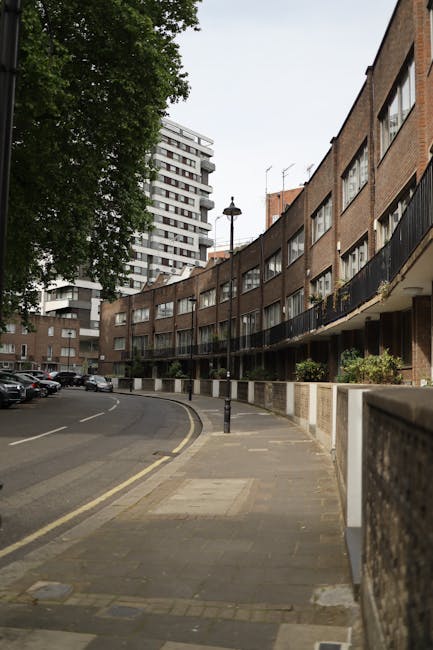
Willesden is an area in the London Borough of Brent in north-west London, shaped by a long history of settlement, parish life and later urban expansion. The district includes well-known centres such as Willesden Green and Harlesden nearby, and its street pattern reflects the growth of suburban housing and transport links during the nineteenth and twentieth centuries. Willesden Green Underground station, on the Jubilee line, gives the area a clear connection to the wider capital, while local roads and bus routes tie it into surrounding parts of Brent and neighbouring boroughs. The name appears in records going back centuries, and much of the modern area developed as London spread beyond its older core. St Mary’s Church, sometimes described as the parish church of Willesden, is one of the better-known historic landmarks and sits close to the centre of the older settlement. The churchyard and nearby streets give a sense of continuity with the area’s earlier identity, even as the surrounding district has changed considerably. In the wider locality, there are parks, residential streets, small shopping parades and community facilities that reflect the area’s mixed character. Willesden sits within a part of London known for diversity in housing, movement and cultural life, and its architecture includes a mix of Victorian terraces, later estates and commercial premises. That combination gives the area an established urban feel without reducing it to a single function or style.
Pricing, scope and practical planning
Commercial waste removal is usually priced according to the scale of the job, the amount of labour involved and the kind of material being collected. Access matters too. A straightforward ground-floor collection may be simpler than a job involving stairs, narrow corridors or limited loading space. If the load is mixed, bulky or particularly heavy, the quotation needs to reflect that reality rather than relying on a generic estimate. That is why a good description of the waste is important before the collection is agreed.
You do not need to over-prepare, but a little structure helps. A short list of what needs removing, the approximate quantity and any access issues gives a clearer picture than a vague request alone. If there are separate piles in different rooms, it helps to mention them. For more detailed pricing information, the page on pricing and quotes is the right place to start. Keep it simple: one message, one clear scope, and we can help from there.
- State the main type of waste or items.
- Note any heavy, awkward or specialist pieces.
- Explain access, floor level and parking or loading restrictions.
- Say whether the collection is one-off or part of a regular pattern.
Bookings, contact and next steps
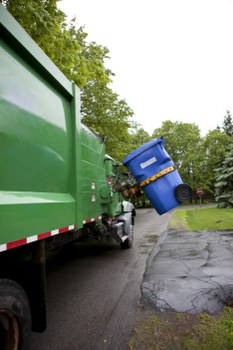
Once you know what needs to go, the next step is simply to ask for a quotation or booking option that fits the job. Some customers want a single clearance, while others need an ongoing waste solution for a workplace or mixed premises. Either way, it helps to keep the request specific and practical. If you have supporting notes, make them brief and direct, and include anything that might affect collection time or access. That gives a better basis for planning than a general enquiry on its own.
For a straightforward booking route, you can use book online when you are ready to move ahead. If you would rather read more about the business and the wider service range first, the about us page and the main waste removal page can provide extra context. Our aim is to keep the process clear and workable, so the customer can choose the route that suits the waste, the site and the timescale.
Request a quotation today and tell us what needs removing. If your job is specific, mention the item types; if it is broader, describe the whole clearance in plain English. We will take it from there and help you arrange the most suitable commercial waste removal in Willesden.